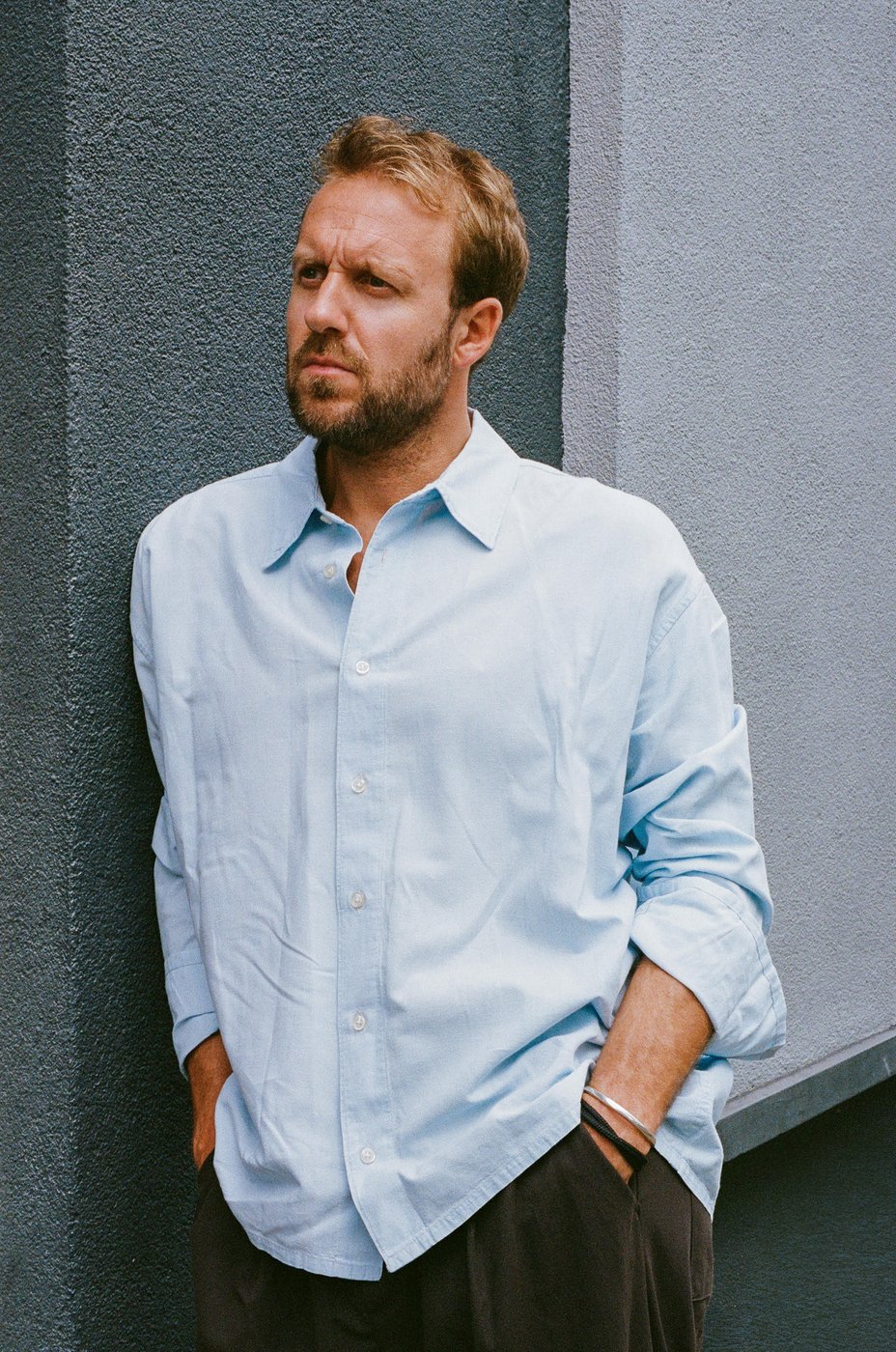
Q.01What is the essence of leadership talent, and how do you recognise it?
For me, the essence of leadership lies in holding a team together and truly being able to put yourself in the position of the people you work with. It means having an eye for who someone is and for the balance they need, and involving people in the choices you make and in the horizon you are working towards together. Part of that is daring to be vulnerable, to stand as an equal, and to act from a clear ethical compass.
But equality does not mean you can be vague. Quite the opposite. Good leadership asks you to say clearly what you expect from someone, ideally from day one. That saves you from losing a lot of time before you discover whether a person, a role and an organisation actually fit.
Q.02What should leaders truly be prepared for in the coming years?
AI is going to change an enormous amount, whether you like it or not. Things will get faster and cheaper, so you have to look very critically at what you actually need, and where you can still make the difference. You cannot think: this will blow over. Anyone who kept writing letters because that is how it had always been done eventually missed a fundamental shift.
AI will be no different. At the same time the world keeps getting more transparent, so leadership itself has to become more transparent too. People understand that someone who carries more responsibility is rewarded differently. But be open about it.
Q.03What should leaders stop doing?
Leaders have to stop thinking that because they are the leader, they are automatically better than the people around them. The opposite is true: strong leadership is gathering people around you who are better than you in certain areas, and daring to admit it. I do exactly that myself. I have people around me who can do things better than I can.
That is not threatening; it is a big reason my company runs well. You do not have to play the boss or be the best at everything yourself. Give good people a stage, trust, the right resources and room. Then they succeed, and in the end the whole organisation is better for it.
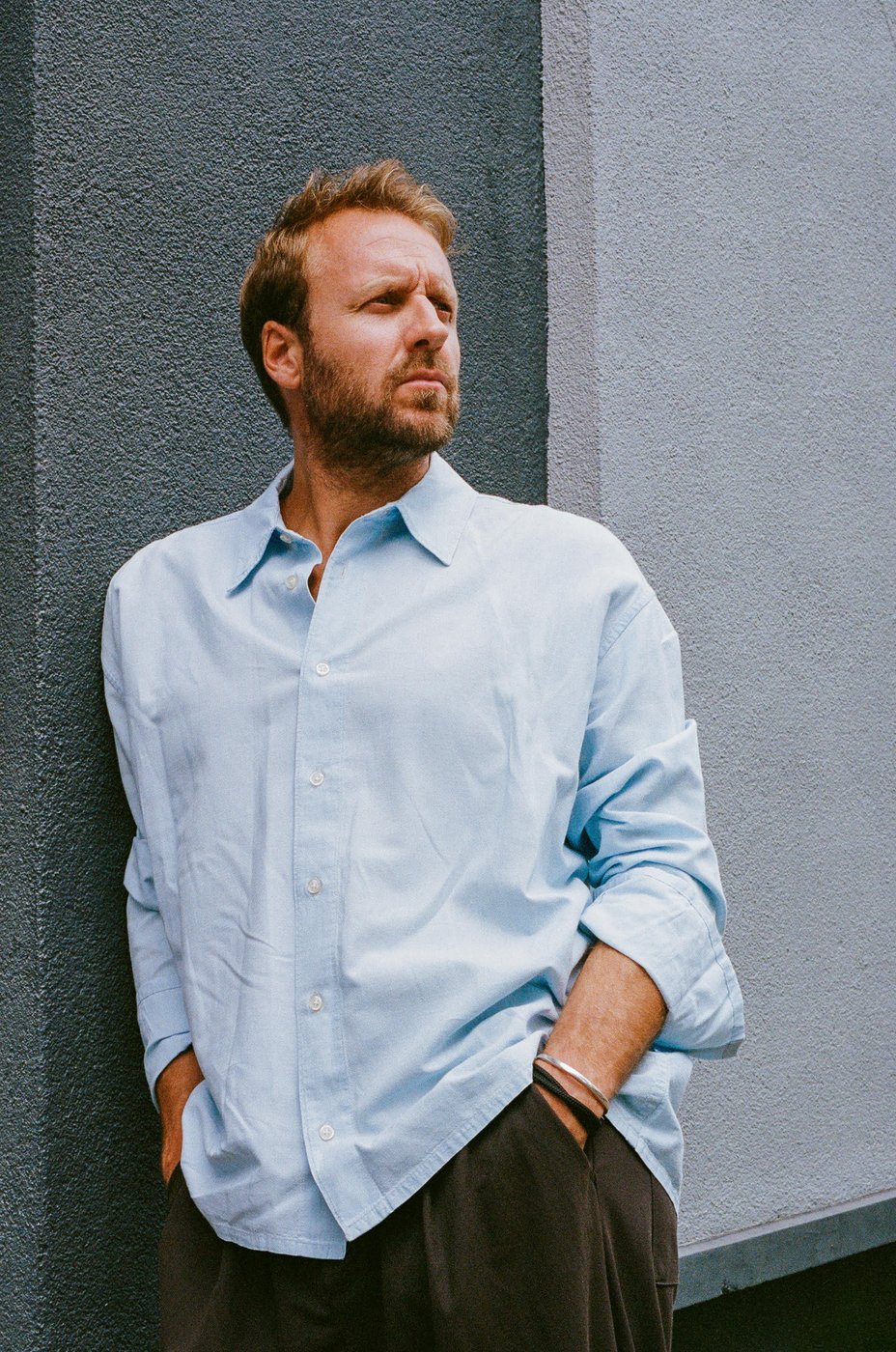
Q.01Which decision made you or your team visibly stronger?
About ten years ago I went from thirty employees to almost none. From then on I wanted to work as much as possible with co-founders and co-shareholders. Many of the people I build with are shareholders themselves. For me that has become a key to success: maximum ownership. I would rather talk to a legal co-owner than to someone who is purely an employee. Not because one person matters more, but because ownership does something to responsibility.
As an entrepreneur I do not want to be the only one who feels the pain when things go against us and the success when things go well. The next step is thinking in ecosystems. At YOUNG we are developing a model where employees, our network, stakeholders, fans and investors can participate too. If you build value together, I find it powerful when there is also a way to earn together.
Q.02Which leadership style genuinely gives you energy?
Leaders who dare to hold people clearly accountable for their contribution. In large organisations you sometimes see roles and management layers survive without it being clear what value someone adds. That is dangerous, not only because of the cost, but because it becomes part of the culture. So leadership means being transparent about the reciprocity of a working relationship: an organisation offers salary, resources, trust and opportunities, and in return there is a real contribution.
And to be clear, it is not about clocking hours. I almost never look at hours; I look at performance and responsibility. Give people a lot of freedom, but dare to hold them to what they do with it. Freedom and accountability belong together.
Q.03And what costs you energy?
Leading people who mainly position themselves as advisers when I am not looking for advisers. Especially with innovation, I want people who first see the opportunity and then look at which problems to solve, not the other way round. Characters differ. Some people are naturally entrepreneurial and comfortable with uncertainty; others are far more risk-averse.
Both can be valuable, but not within the same team. It used to cost me a lot of energy to constantly convince people. I do not do that anymore. I do not want to convince anyone of my plans. I now work almost exclusively with people who see the possibilities themselves.
Q.01Which quality of leadership is most underestimated?
Approachability. When I am at the office or in one of my companies, I do not feel more or less than the cleaner, the bartender or someone from housekeeping. We have different roles and responsibilities, but as people we are equal. A strong hierarchy and a lack of approachability can be dangerous for a culture. That traditional image of the leader at a distance does not suit me, and I do not believe it brings out the best in people.
It can isolate them and limit the enjoyment they get from their work. If you give people trust, freedom and enjoyment, and let them feel that they matter, you get an enormous amount back. Approachability is not a soft extra; it is essential.
Q.02Which insight about people do you wish you'd had earlier?
That you sometimes only really get to know someone's character when money, success or personal interest come into play. I have experienced several times that people with whom I had a good, complementary partnership for years could change completely once the stakes grew. That has made me sharper and less naive, without losing my faith in people.
I now look much sooner at someone's real motives. Is it entrepreneurship, building something good together and sharing in the long-term success? Or mainly personal gain and a quick win? In the end you can teach someone a great deal, but intrinsic motivation and character are much harder to change.
Q.03How do you view the future of leadership?
The traditional model of the director in a suit, with layers of management and a clear hierarchy, will keep giving way to organisations that look at who actually adds value. Part of that is that people can share proportionally in the value they create. Ownership will become much more important. But it goes further: the organisation of the future is becoming an ecosystem. Not just a company with an owner, management and employees, but a network of people involved in different ways.
Age, title and years of service say less and less about the contribution someone can make today. A good leader is not threatened by that, but makes use of it: bringing in the best people and daring to connect interests. Less thinking in above and below, and more in building, carrying responsibility and earning together.
Q.04What has become more important as you've grown more successful, and what less?
More important is surrounding myself with people who share the same energy, at home and increasingly abroad. Less important is holding on to my old surroundings, my network, or the familiar. The world does not work that way anymore. If you want, you can start a company somewhere else tomorrow. As I have become more successful, adventure and quality of life have become more important.
Return still matters, but maximum return is not the same as maximum living. I sometimes see entrepreneurs still chasing the bargain of the week late in life. I do not have that fear of missing out. Success, for me, is less about collecting more, and more about being able to choose consciously.
For Wim de Jong, leadership is shifting from hierarchy to ownership. He builds with co-founders because ownership changes what responsibility means, and treats the organisation of the future as an ecosystem rather than a pyramid. Build together, earn together. And success, for him, is measured less by what he collects than by what he gets to choose.